




Introduction to Jambalaya Recipe
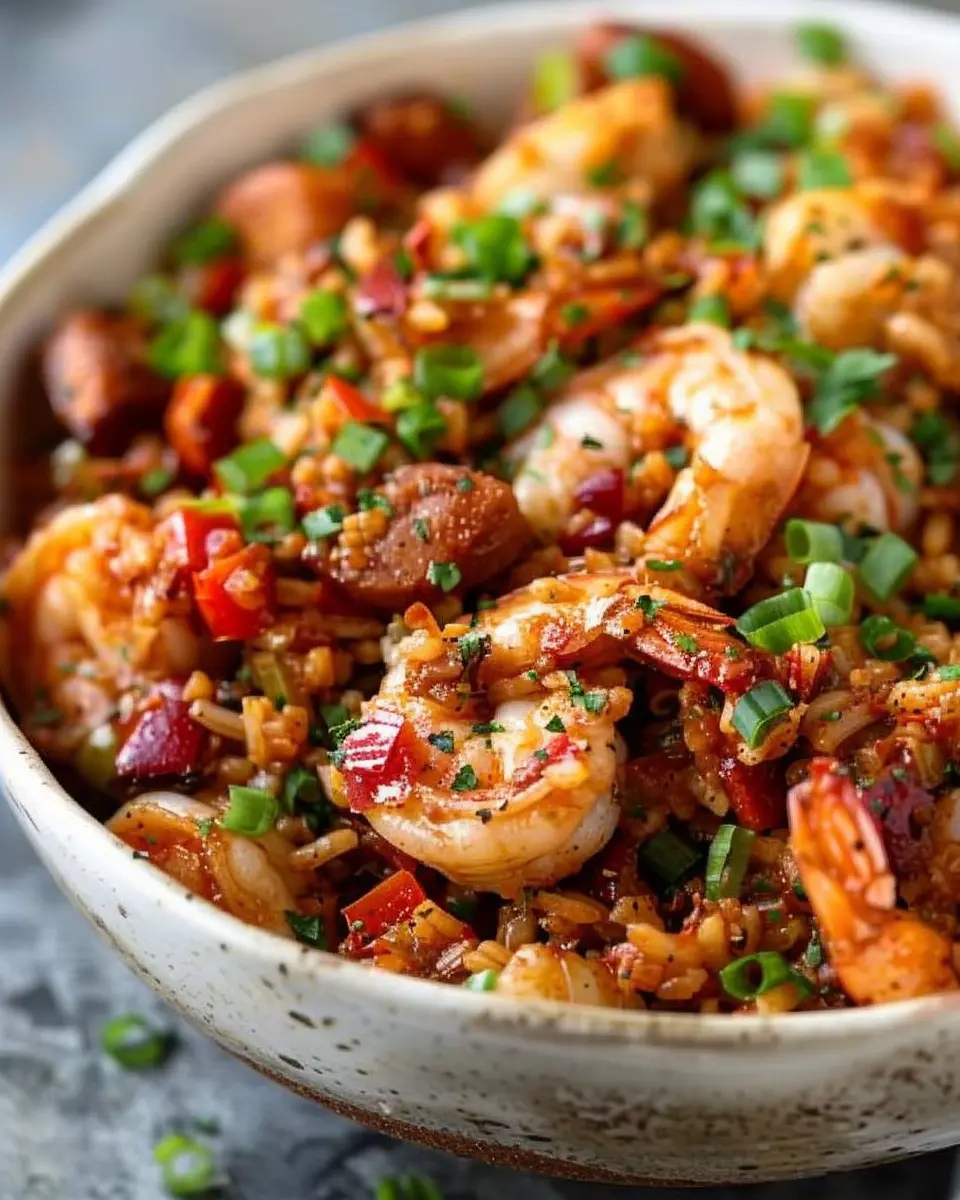
If you’re looking for a dish that embodies comfort, flavor, and versatility, then a jambalaya recipe might just be what you need. This classic one-pot meal hails from Louisiana and is steeped in rich cultural history. It’s a fantastic blend of Spanish, French, and African influences, making it not only delicious but also a celebration of culinary diversity.
Why Jambalaya is the Perfect Homemade Dish
Jambalaya is the perfect homemade dish for several reasons. Firstly, it’s wonderfully adaptable. Whether you’re craving a meaty feast or a vegetarian delight, jambalaya can cater to all tastes. The base typically consists of rice, vegetables, and a medley of proteins like turkey bacon, chicken ham, and beef, allowing you to play around with your ingredients based on what you have at home.
Moreover, this dish is a time saver. Toss everything into one pot, and you’re on your way to a hearty meal with minimal cleanup afterward—a real win for busy professionals! A pot of jambalaya simmering on the stove also fills your kitchen with a tantalizing aroma that’s bound to make your neighbors peek over the fence, wondering what’s cooking.
One of the great things about cooking jambalaya is how it brings people together. Think of hosting a casual dinner party or a laid-back weekend gathering. Imagine your friends gathered around the table, digging into the warm, comforting rice and flavorful proteins, all while sharing stories and laughter. Food has this magical ability to connect us, and jambalaya amplifies that experience.
Have you ever considered how meals can bridge gaps between cultures? Cooking dishes like jambalaya not only enables us to explore flavors from different regions but also fosters a sense of community. If you’re intrigued about the roots of this delicious dish, check out resources like The Smithsonian Magazine to dive deeper into its fascinating history.
For those who might be apprehensive about cooking jambalaya, fear not! With a straightforward recipe and some joyous experimentation, you’ll master it in no time. So, grab your apron and get ready to explore the enchanting world of homemade jambalaya. Your taste buds (and friends) will thank you!
Ingredients for Jambalaya Recipe
Essential Ingredients for a Flavorful Jambalaya
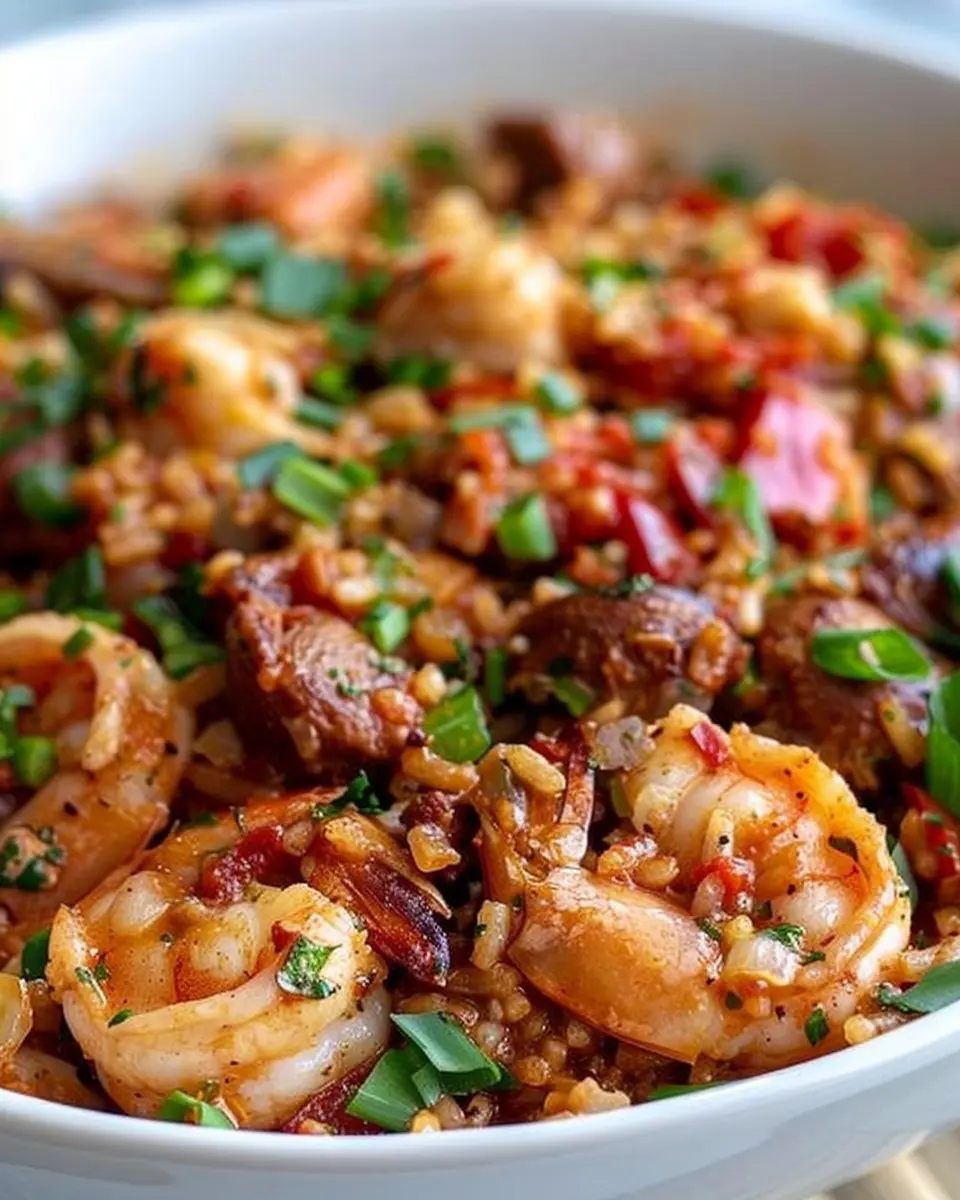
Creating the perfect jambalaya recipe starts with the right ingredients. Here’s what you’ll need for that unforgettable burst of Creole flavor:
- Rice: Long-grain rice works best to soak up all those delicious juices.
- Proteins: A mix of chicken ham, shrimp, and turkey bacon adds great variety and flavor.
- Vegetables: Bell peppers, onions, and celery are staples in any jambalaya.
- Broth: Use chicken or vegetable broth for an extra layer of taste.
- Spices: Don’t forget the holy trinity of Cajun seasoning, bay leaves, and a hint of cayenne pepper for that kick!
Each ingredient contributes to the overall experience, making it a perfect dish for gatherings or a cozy meal at home.
Optional Add-ons for Customization
While the essentials provide a solid foundation, feel free to mix things up! Consider adding:
- Sausage: Chorizo or andouille can give a spicy twist.
- Seafood: Scallops or crab can elevate your jambalaya to the next level.
- Vegetables: Peas or okra can make it heartier.
Experimenting with these optional ingredients allows you to truly personalize your jambalaya recipe. What unique twist will you try? For more inspiration, check out this cooking guide that dives deep into flavor profiles!
Step-by-Step Preparation for Jambalaya Recipe
Jambalaya is more than just a dish; it’s a culinary celebration that brings people together. Cooking this flavorful dish can feel daunting, but fear not! With this step-by-step guide, you’ll be crafting your own jambalaya recipe in no time. Here’s how to do it, bringing a taste of Louisiana right into your kitchen.
Gathering Your Ingredients
Before you dive into cooking, it’s essential to have everything prepped and ready to go. Trust me; this will save you time and stress!
- Proteins: Gather your chicken (preferably chicken thighs for tenderness), turkey bacon, and shrimp.
- Vegetables: Chop the basics like onions, bell peppers, and celery, which are crucial for that authentic flavor.
- Spices: Don’t forget your Cajun seasoning, garlic powder, salt, and pepper! These will make your dish pop.
- Starch: Long-grain rice is your best bet for a perfect jambalaya recipe.
- Broth: Use chicken broth instead of water for richer flavors.
When shopping, grab high-quality ingredients for a truly mouthwatering experience. Fresh vegetables and well-seasoned proteins are key!
Searing the Sausage and Chicken
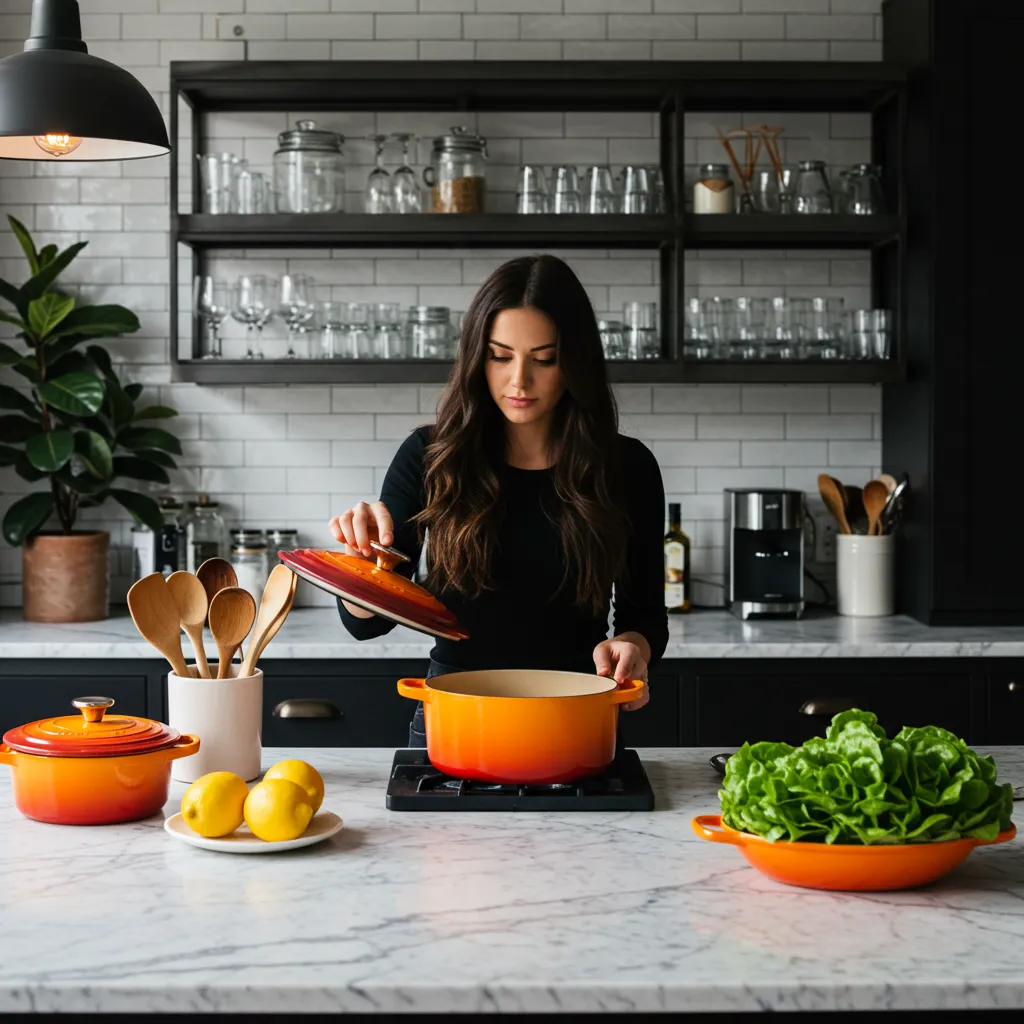
Now that you have everything prepped, it’s time to develop those flavors! Start by heating a large pot or Dutch oven over medium heat.
- Add a splash of olive oil, waiting for it to shimmer.
- Toss in the turkey bacon first, allowing it to crisp up. This will add a fantastic smoky flavor.
- Next, add your chicken pieces. Sear them for about 5-7 minutes until they’re golden brown. Searing not only locks in moisture but also creates that lovely deep flavor we all crave.
It’s a simple step but oh-so-important! If you’re curious about the science behind browning, check out this guide on Maillard reaction.
Sautéing Vegetables and Spices
With your proteins nicely seared, it’s time to incorporate the vegetables and spices.
- Remove the meat from the pot temporarily, leaving the drippings behind.
- Toss in the chopped onions, bell peppers, and celery (often called the “holy trinity” in Cajun cooking). Sauté for around 5 minutes or until they soften.
- Then, add garlic, Cajun seasoning, salt, and pepper, coating the veggies in those spicy flavors. The aroma will be incredible!
Remember, don’t rush this step. Properly cooked vegetables lay a beautiful foundation for your jambalaya recipe.
Mixing in the Goodies
With the vegetables sautéed, it’s time to combine everything:
- Return the browned chicken and turkey bacon to the pot.
- Pour in your rice, giving it a good stir to coat each grain with those flavorful drippings.
- Finally, add in your broth. Make sure to stir everything together, ensuring the rice is evenly distributed.
If you want to customize the recipe, consider adding some beans or rotating in different meats! This versatility is part of what makes jambalaya so beloved.
Cooking the Rice and Introducing Shrimp
Now for the final stretch!
- Bring the mixture to a gentle boil, then reduce it to a simmer.
- Cover the pot and let it cook for about 20-25 minutes, or until the rice is tender and has absorbed all the lovely broth.
- Just before serving, fold in the shrimp, allowing them to cook through in the residual heat.
This is when the magic happens — the shrimp turns pink, and the entire pot becomes a beautifully aromatic feast. When plating, try garnishing with chopped green onions or parsley for a splash of color.
And there you have it! Your homemade jambalaya recipe is now ready to serve. Gather your friends, serve it up, and enjoy the wonderful flavors of this iconic dish together. What’s your favorite jambalaya memory? Share it with us in the comments!
Variations on Jambalaya Recipe
Vegetarian Jambalaya
If you’re looking for a meat-free twist on this classic jambalaya recipe, putting your vegetables in the spotlight can create a fulfilling dish. Swap out meats for an array of colorful veggies like bell peppers, zucchini, and carrots. Adding hearty ingredients like chickpeas or black beans increases the protein content while maintaining that satisfying texture. For an extra zing, try incorporating cooked quinoa or rice alternatives that add unique flavors and nutrients. One bite of this vibrant dish will leave your taste buds dancing without missing the meat!
Seafood Jambalaya
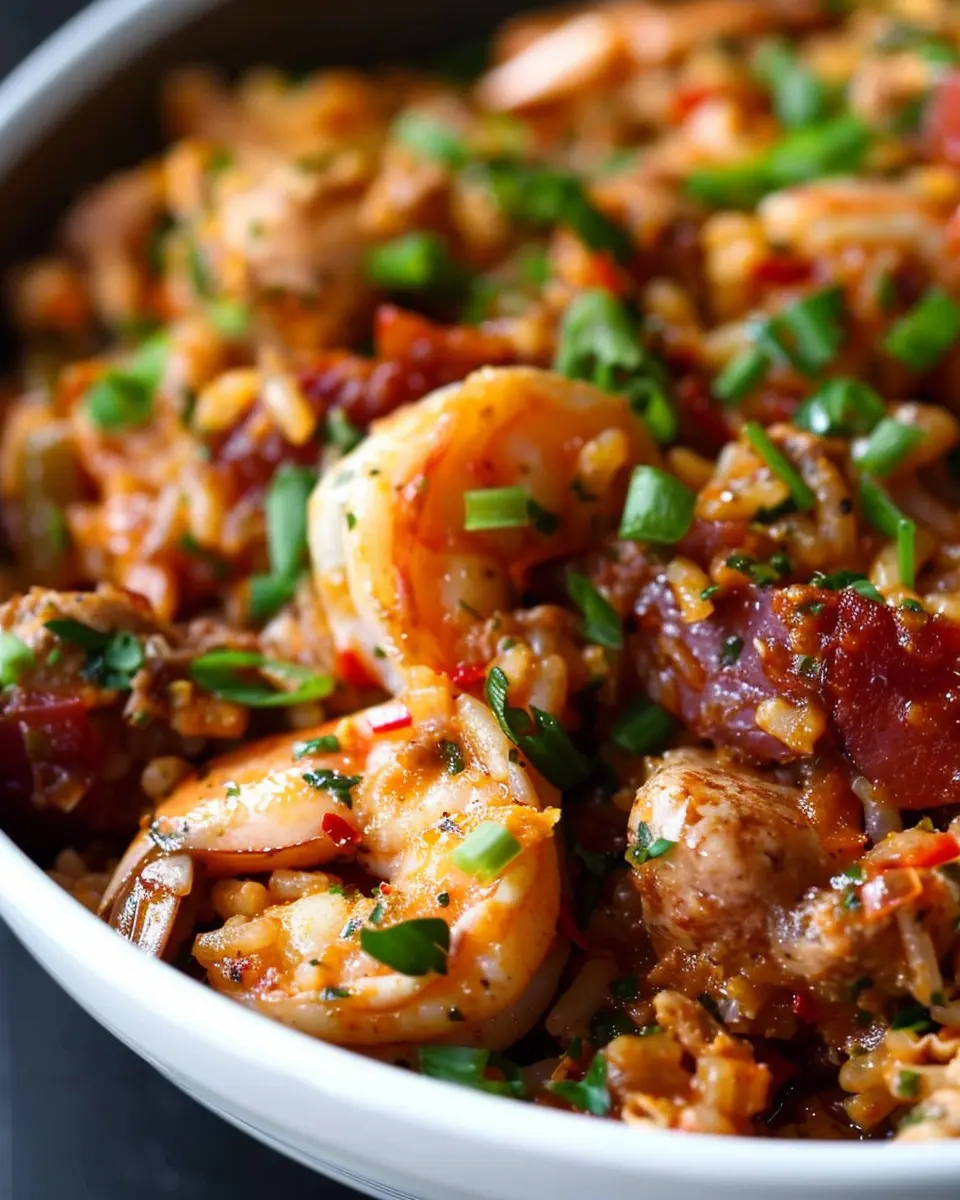
For seafood lovers, a seafood jambalaya recipe is a delicious way to dive into coastal flavors. Think shrimp, mussels, and crab, all simmered with the same flavorful spices typical of traditional jambalaya. Make a hearty broth with a mix of vegetable stock and fish stock for that authentic ocean-like essence. Don’t hesitate to experiment with your favorite seafood; just adjust cooking times to ensure everything is perfectly tender and bursting with flavor. If you’re curious about seafood cooking techniques, check out resources from SeafoodSource.
Spicy Jambalaya with Extra Heat
Do you crave a bit more of a kick? Try adding fresh jalapeños, crushed red pepper flakes, or even a splash of hot sauce to your jambalaya recipe. The heat will complement the dish beautifully without overpowering the other ingredients. If you’re feeling adventurous, you could also introduce spicy sausage made from beef for a smoky element that enhances the overall flavor profile. Making it spicy doesn’t just elevate the taste; it can also turn your meal into a fun challenge for your friends!
Whether you opt for vegetarian, seafood, or extra spicy, these variations ensure that your jambalaya experience is anything but bland!
Cooking Tips and Notes for Jambalaya Recipe
Common Mistakes to Avoid
When making your jambalaya recipe, there are a few pitfalls to watch out for:
- Overcrowding the Pot: This can lead to uneven cooking. Make sure to give your ingredients space to properly sauté and develop flavor.
- Skipping the Browning: Browning your proteins (like turkey bacon and chicken ham) first is key. It adds depth to the dish, making it richer and more delicious.
- Ignoring the Rice Quality: Use long-grain rice for the best texture. Short-grain or sticky rice can ruin your jambalaya’s signature consistency.
Important Cooking Techniques
To achieve jambalaya perfection, consider these essential techniques:
- Sautéing Aromatics: Start by sautéing onions, bell peppers, and celery in your pot; this flavor base is crucial.
- Layering Flavors: Introduce your spices gradually—this enhances the overall taste profile. A good rule of thumb is less is more; you can always add more later!
For more about cooking techniques, check out this cooking guide for extra tips. Happy cooking!
Serving Suggestions for Jambalaya Recipe
Ideal Side Dishes
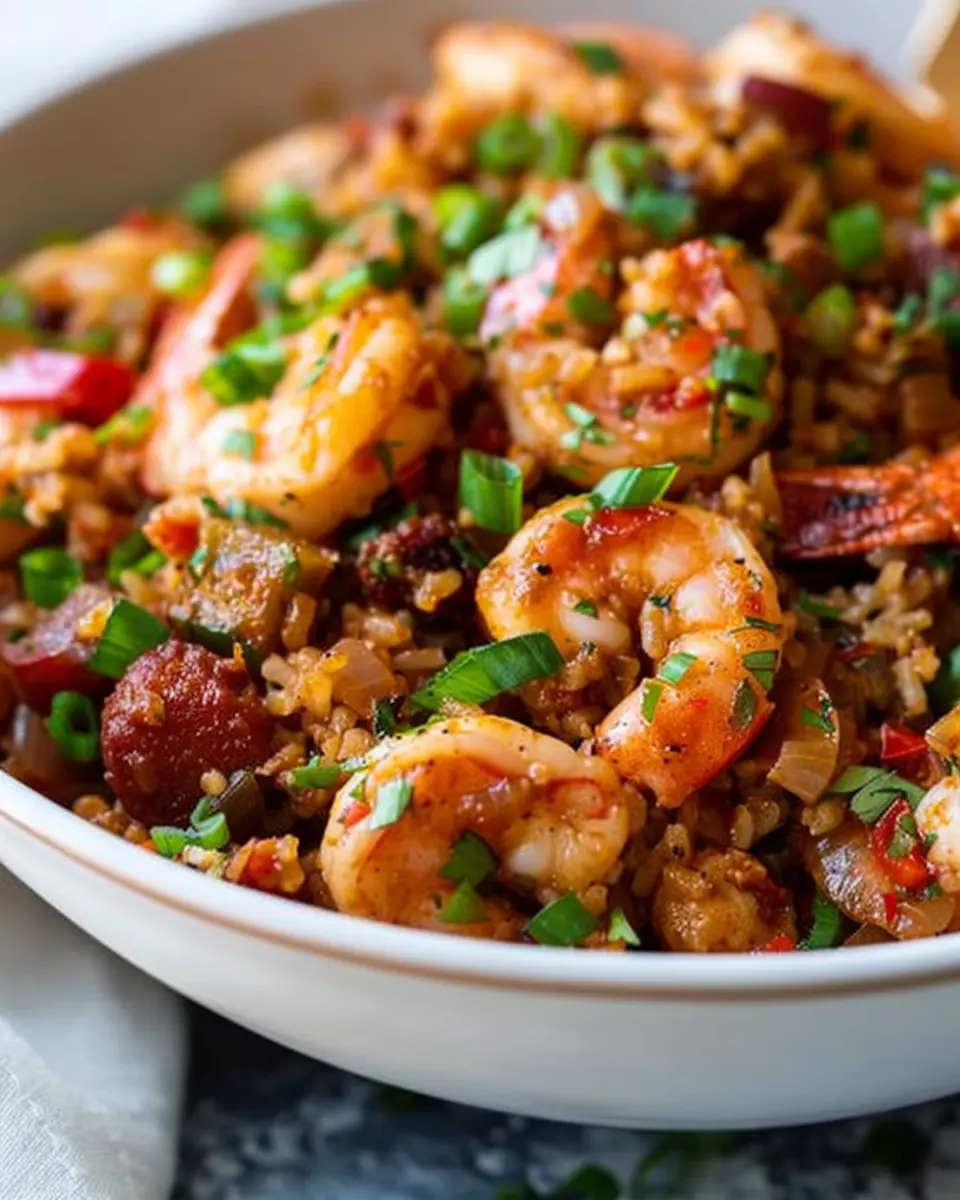
When serving your delicious jambalaya recipe, consider pairing it with some refreshing side dishes to create a well-rounded meal. Here are a few options that complement the hearty flavors perfectly:
- Garlic Bread: Warm, buttery garlic bread is fantastic for soaking up any leftover sauce.
- Coleslaw: A crunchy, tangy coleslaw adds a nice contrast to the spices, keeping your palate refreshed.
- Cornbread: Soft, sweet cornbread is a Southern classic that harmonizes beautifully with jambalaya’s spice.
Best Pairings to Compliment Jambalaya
The right drink can elevate your jambalaya experience. Here are some refreshing beverages that pair well with this flavorful dish:
- Iced Tea: A sweet or unsweetened iced tea quenches your thirst and balances out the savory spices.
- Lemonade: A citrusy lemonade provides a bright contrast to the rich, bold flavors.
- Sparkling Water: For a light choice, sparkling water with a splash of citrus can cleanse your palate effectively.
By incorporating these suggestions, your jambalaya recipe can shine even more, turning a simple meal into an unforgettable dining experience. For more side dish ideas, check out The Spruce Eats!
Time Breakdown for Jambalaya Recipe
Getting your jambalaya recipe just right is all about timing! Here’s a simple breakdown to keep you on track.
Preparation Time
Spend about 15-20 minutes gathering your ingredients and chopping veggies. This is your chance to set the stage for a successful cook. While you’re prepping, check out some kitchen essentials and tips from The Kitchn to make the process smoother.
Cooking Time
The actual cooking will take around 30-40 minutes. You’ll want to give it enough time to let those flavors meld beautifully. Stirring occasionally will keep everything well-integrated—just like a superhero team-up!
Total Time
In total, you’re looking at about 45-60 minutes from start to finish. Perfect for a weeknight dinner or when entertaining friends. With that kind of time investment, you’ll create a delicious, hearty dish that feels like a warm hug!
Nutritional Facts for Jambalaya Recipe
When making a flavorful jambalaya recipe, it’s important to consider the nutritional content, especially if you’re watching your diet. Here’s a quick breakdown of what you can expect:
Calories
A perfect serving of jambalaya typically contains around 350-400 calories. This makes it a satisfying meal without going overboard.
Protein
Packed with plenty of protein thanks to ingredients like chicken ham and turkey bacon, each serving delivers about 20-25 grams of protein, an essential for muscle repair and overall health.
Sodium
However, keep an eye on sodium! A standard portion can have approximately 800-900 mg of sodium, which is a consideration if you’re monitoring your salt intake. Opt for low-sodium chicken broth to reduce this number.
For more detailed nutritional guidance, check out resources like the USDA FoodData Central where you can learn more about the specific ingredients used in your dishes. Remember, a little preparation goes a long way in making healthier choices!
FAQs about Jambalaya Recipe
Can I use different types of rice for jambalaya?
Absolutely! While traditional jambalaya recipes often call for long-grain white rice, you can experiment with other types depending on your preference. Brown rice, for instance, brings a nutty flavor and extra fiber but may need a bit longer to cook. Short-grain rice can yield a creamier dish but might alter that classic jambalaya texture. For a twist, consider quinoa or cauliflower rice for a low-carb option. Just remember to adjust your cooking times and liquid ratios accordingly!
What can I substitute for Andouille sausage?
If you can’t find Andouille sausage, don’t worry! There are plenty of tasty alternatives. Turkey sausage or chicken sausage can work perfectly, adding flavor without the heaviness of pork. If you want a bit of kick, try adding some crushed red pepper flakes or Cajun seasoning for that signature spice. For a vegetarian version, you can use plant-based sausages or even sautéed mushrooms to create depth, making your jambalaya both hearty and satisfying.
Is jambalaya better the next day?
You bet it is! Many home cooks swear that a day in the fridge allows the flavors to meld beautifully, making your jambalaya even more delicious than when freshly made. The spices and ingredients have time to marry, enhancing the overall taste. Just make sure to store it in an airtight container and reheat gently on the stove or in the microwave. If you’re curious about how leftovers can enhance your meals, check out this article on food storage tips.
By the way, if you make a big batch, sharing with friends or family can turn an ordinary night into a mini jambalaya feast, just like in New Orleans!
Conclusion on Jambalaya Recipe
Reiterating the Joy of Homemade Jambalaya
There’s something incredibly satisfying about crafting your own jambalaya recipe. The rich blend of flavors—from tender chicken ham and savory turkey bacon to the warmth of spices—creates a dish that’s both hearty and comforting. As you gather with friends or family to enjoy your creation, you’re not just feeding appetites; you’re creating cherished memories.
Why not elevate your cooking game? Check out more inspiration from Food Network or delve into variations of this classic at Serious Eats for fresh ideas. Embrace the culinary adventure, share your delicious results, and keep the joy of homemade jambalaya alive in your kitchen!
PrintJambalaya Recipe: Easy Comfort Food with Turkey Bacon and Chicken Ham

This Jambalaya recipe is a heartwarming dish featuring turkey bacon and chicken ham, perfect for a cozy meal.
- Prep Time: 15 minutes
- Cook Time: 30 minutes
- Total Time: 45 minutes
- Yield: 6 servings
- Category: Main Course
- Method: Stovetop
- Cuisine: Creole
- Diet: Gluten-Free
Ingredients
- 4 strips turkey bacon
- 2 cups chicken ham, diced
- 1 cup onion, chopped
- 1 cup bell pepper, chopped
- 2 cups long-grain rice
- 4 cups chicken broth
- 2 teaspoons paprika
- 1 teaspoon cayenne pepper
- 1 teaspoon thyme
- 1 can diced tomatoes
- Salt to taste
- Pepper to taste
Instructions
- In a large pot, cook the turkey bacon until crispy. Remove and set aside.
- Add the chopped onion and bell pepper to the pot, sauté until softened.
- Stir in the chicken ham and cook for another 2 minutes.
- Add the rice, chicken broth, paprika, cayenne, thyme, and diced tomatoes.
- Bring to a boil, then reduce heat to low, cover, and simmer for about 20 minutes.
- Once cooked, fluff with a fork and mix in the crispy turkey bacon.
Notes
- Adjust the spice levels according to your preference.
- This dish can be made ahead and reheated.
Nutrition
- Serving Size: 1 plate
- Calories: 350
- Sugar: 3g
- Sodium: 800mg
- Fat: 15g
- Saturated Fat: 4g
- Unsaturated Fat: 10g
- Trans Fat: 0g
- Carbohydrates: 40g
- Fiber: 2g
- Protein: 25g
- Cholesterol: 40mg