





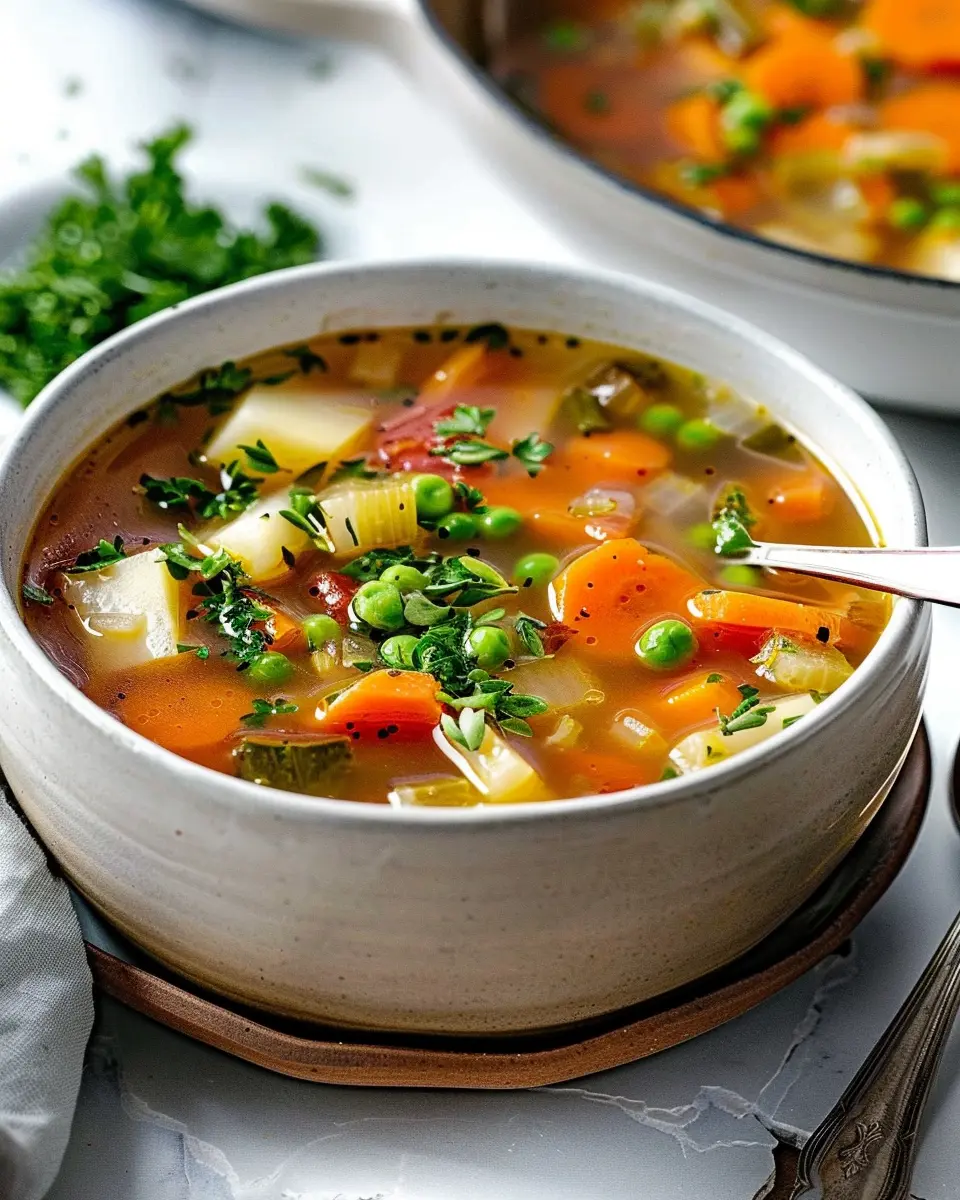
Introduction to Vegetable Soup
When it comes to meal prep and weeknight dinners, vegetable soup is nothing short of a game changer for young professionals. The hustle and bustle of daily life can often leave little room for home-cooked meals, but this nourishing bowl of goodness can easily fit into your schedule. It’s a versatile dish that not only warms your soul but also supports a busy lifestyle in more ways than you might think.
One of the biggest advantages of vegetable soup is its simplicity. You can whip it up using whatever vegetables you have lying around—no fancy ingredients required! Whether you’re a seasoned chef or a kitchen novice, a basic vegetable soup recipe can be your best friend. And if you’re looking for ideas, check out sites like Cooking Light for inspiration.
Nutritional Powerhouse
Foundationally, this dish is a treasure trove of nutrients. According to the Harvard T.H. Chan School of Public Healthn, increasing your vegetable intake can lead to numerous health benefits, including improved digestion and enhanced immunity. Plus, making a large batch means you can enjoy variations throughout the week—think classic minestrone, spicy tomato, or a hearty potato-leek combo.
Budget-Friendly and Time-Saving
Let’s talk about budget: young professionals are often watching their wallets, and vegetable soup is an inexpensive meal option. A mix of fresh or frozen veggies, a few spices, and a base of either broth or water can produce a delicious meal at a fraction of the cost of eating out.
Quick Tips:
- Consider adding protein like Turkey Bacon or Chicken Ham for a heartier meal.
- Experiment with spices or herbs to elevate flavor without additional calories.
Conclusion
Incorporating vegetable soup into your weekly meal plan is not just about convenience; it’s also a lifestyle choice that emphasizes wellness and sustainability. So why not give it a whirl? Try making a big pot of vegetable soup and invite friends over for a cozy dinner. You just might inspire them to embrace the art of healthy cooking, too!
Ultimately, vegetable soup can become a comforting staple in your kitchen, proving itself to be far more than just a simple dish—it’s a delicious pathway to healthier living!

Ingredients for Vegetable Soup
Essential fresh ingredients
Creating a delicious vegetable soup starts with fresh, vibrant produce. Here are some must-have ingredients:
- Carrots: They add sweetness and color.
- Celery: For crunch and depth of flavor.
- Onions: Essential for a savory base.
- Garlic: This gives a wonderful aroma and taste.
- Zucchini: Adds texture and a hint of earthiness.
- Spinach or Kale: Packed with nutrients, they make your soup hearty.
Feel free to experiment with seasonal vegetables from your local farmer’s market. You’ll be surprised how the flavors vary with each season!
Pantry staples for a hearty soup
Alongside your fresh produce, some pantry staples can elevate your vegetable soup to a whole new level:
- Vegetable broth: A good-quality broth is key for depth of flavor.
- Canned tomatoes: These bring acidity and balance to the dish.
- Beans: Whether kidney, black, or chickpeas, they add protein and heartiness.
- Turkey bacon or chicken ham: For those who enjoy a meaty flavor without overwhelming the vegetables.
- Herbs and spices: Dried thyme, bay leaves, and pepper work wonders.
Don’t forget the garlic powder and crushed red pepper—perfect for a flavor boost!
For more tips on selecting fresh vegetables, you might check out The Spruce Eats. Now that you have the ingredients down, it’s time to get cooking!
Preparing Vegetable Soup
Making vegetable soup is not just about following a recipe—it’s an experience that allows you to get creative with flavors and ingredients. Let’s dive into the steps to create a hearty, healthy, and delicious pot of vegetable goodness. This guide will walk you through the entire process, ensuring that your meal is not only nutritious but also bursting with flavor.
Gather and prep your veggies
The first step is to assemble your vegetables. Fresh, seasonal produce is always preferable, but if you’re in a pinch, frozen or canned options work too! Here’s a list to get you started:
- Root vegetables: carrots, potatoes, parsnips
- Alliums: onions, garlic, leeks
- Leafy greens: spinach, kale
- Other vegetables: bell peppers, zucchini, tomatoes
- Herbs: parsley, thyme, bay leaves
Chop your veggies into uniform pieces to ensure even cooking. This step is crucial! Personally, chopping up a rainbow of vegetables feels like a mini art project, and it sets a vibrant tone for the entire dish. Don’t hesitate to toss in something unexpected, like sweet potatoes or butternut squash, to add a unique twist.
Sauté the base flavors
Once your vegetables are prepped, it’s time to build those foundational flavors. Heat a large pot over medium heat and add a generous glug of olive oil. Once shimmering, toss in your chopped onions and garlic.
Sauté until they become translucent and fragrant, about 3-5 minutes. The aroma that fills your kitchen is simply delightful! This step is essential because it infuses the oil with the essence of your base flavors, creating a lovely foundation for your vegetable soup. For added depth, consider incorporating some diced Turkey Bacon or a bit of Chicken Ham to complement the veggies.
Add in the remaining veggies
Now, introduce your remaining veggies into the mix. Start with heartier options, like carrots and potatoes, since they take longer to cook. Stir them for a few minutes, allowing their natural sugars to caramelize slightly.
Then, add the more delicate vegetables—like zucchini or spinach—toward the end. These need less time to cook to avoid turning mushy.
Remember, you can play with spices at this point! A pinch of black pepper, cumin, or smoked paprika can elevate your soup to the next level, enhancing its complexity without much effort.
Let it simmer to perfection
Add enough vegetable broth or water to cover your veggies and bring the mixture to a gentle boil. Once boiling, reduce the heat to a simmer and throw in some herbs. Fresh thyme or a bay leaf can make a world of difference in depth of flavor.
Let the soup simmer for at least 20-30 minutes. This low and slow cooking method allows the flavors to meld beautifully. As you wait, why not check out how soup can be a great meal prep option? It keeps well and can be easily frozen for future lunches or quick dinners!
Finish it off with a burst of freshness
Just before serving, check for seasoning. A dash of salt or a squirt of fresh lemon juice can brighten the flavors beautifully. If you’ve got fresh herbs handy, chop and sprinkle them on top to add a punch of color and flavor.
And there you have it—your delightful vegetable soup is ready! Serve it hot with a side of crusty bread or some whole grain crackers. Enjoy the warmth and comfort of your homemade creation, knowing that you’ve crafted something not only tasty but also nourishing.
So, the next time you’re feeling under the weather or just want a hearty meal, remember this homemade vegetable soup can warm your soul. Happy cooking!
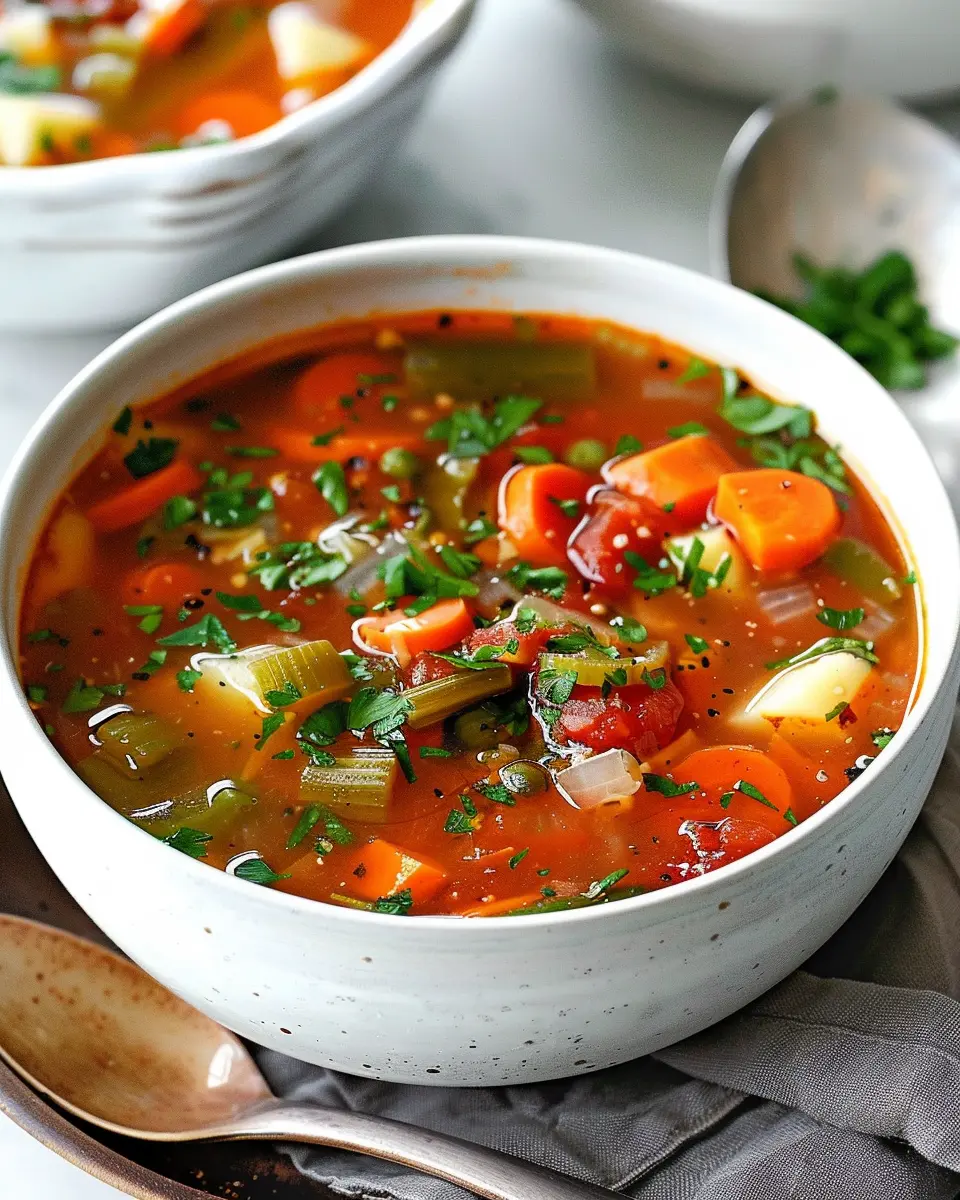
Variations on Vegetable Soup
Vegetable soup is a wonderfully versatile dish, perfect for experimenting with different flavors and ingredients. Dress it up or down as you like! Here are two delightful variations to elevate your next batch.
Mediterranean-inspired Vegetable Soup
Imagine the sunny coasts of the Mediterranean with every spoonful. This version of vegetable soup brings in vibrant flavors like:
- Olive oil: Use a splash of high-quality extra virgin olive oil.
- Fresh herbs: Add basil, oregano, and thyme for aromatic freshness.
- Chickpeas: For protein and heartiness, toss in canned or cooked chickpeas.
- Tomatoes: Use sun-dried tomatoes to intensify the rich flavor.
Start by sautéing onions and garlic with olive oil, then incorporate chopped carrots and zucchini. Finally, add vegetable broth, chickpeas, diced tomatoes, and herbs, and let it simmer for a comforting bowl you’ll love. Check out this Mediterranean diet guide for more inspiration!
Spicy Vegetable Soup for a Kick
If you crave something with a little heat, this spicy vegetable soup will surely warm you up! Here’s how to amp up the flavor:
- Chili peppers: Depending on your spice tolerance, add jalapeños or crushed red pepper flakes.
- Ginger: Fresh ginger adds heat and an earthy flavor.
- Coconut milk: For a creamy texture, stir in a can of light coconut milk.
Start by cooking your base with onions, garlic, and ginger, followed by your favorite vegetables like bell peppers and corn. Add your spices and vegetable broth, then finish with coconut milk for a spicy, soothing soup that’s perfect for chilly nights. Interested in spice levels? Check out the Scoville scale to see how different peppers measure up!
With these variations, vegetable soup transforms from a simple dish into a gourmet experience. So grab your pot, get creative, and embrace the adventure of flavor!
Cooking Tips and Notes for Vegetable Soup
How to Enhance the Flavor
To truly elevate your vegetable soup, consider these tips for a richer flavor:
- Start with a Strong Base: Use homemade vegetable broth or low-sodium store-bought options. This sets a delicious foundation.
- Season Wisely: Don’t be shy with herbs and spices. Fresh thyme, rosemary, and bay leaves can do wonders. A pinch of smoked paprika adds an unexpected depth.
- Add Acidity: A splash of lemon juice or a dash of balsamic vinegar near the end can brighten up flavors and enliven the soup.
Recommendations for Storage and Reheating
Storing your vegetable soup properly ensures you can enjoy it for days to come:
- Refrigeration: Allow the soup to cool completely before transferring to airtight containers. It can be stored in the fridge for up to five days.
- Freezing: For longer storage, freeze portions in freezer-safe bags or containers. When ready to eat, thaw overnight in the fridge.
- Reheating Tips: Heat gently on the stove or in the microwave, adding a splash of vegetable broth if it thickens too much. Adding fresh herbs while reheating can reinvigorate the flavors for a comforting meal.
Trying different ingredients like Turkey Bacon or Chicken Ham can also add a delightful twist! Want tips on nutrition and variations? Check out Healthline for ideas.
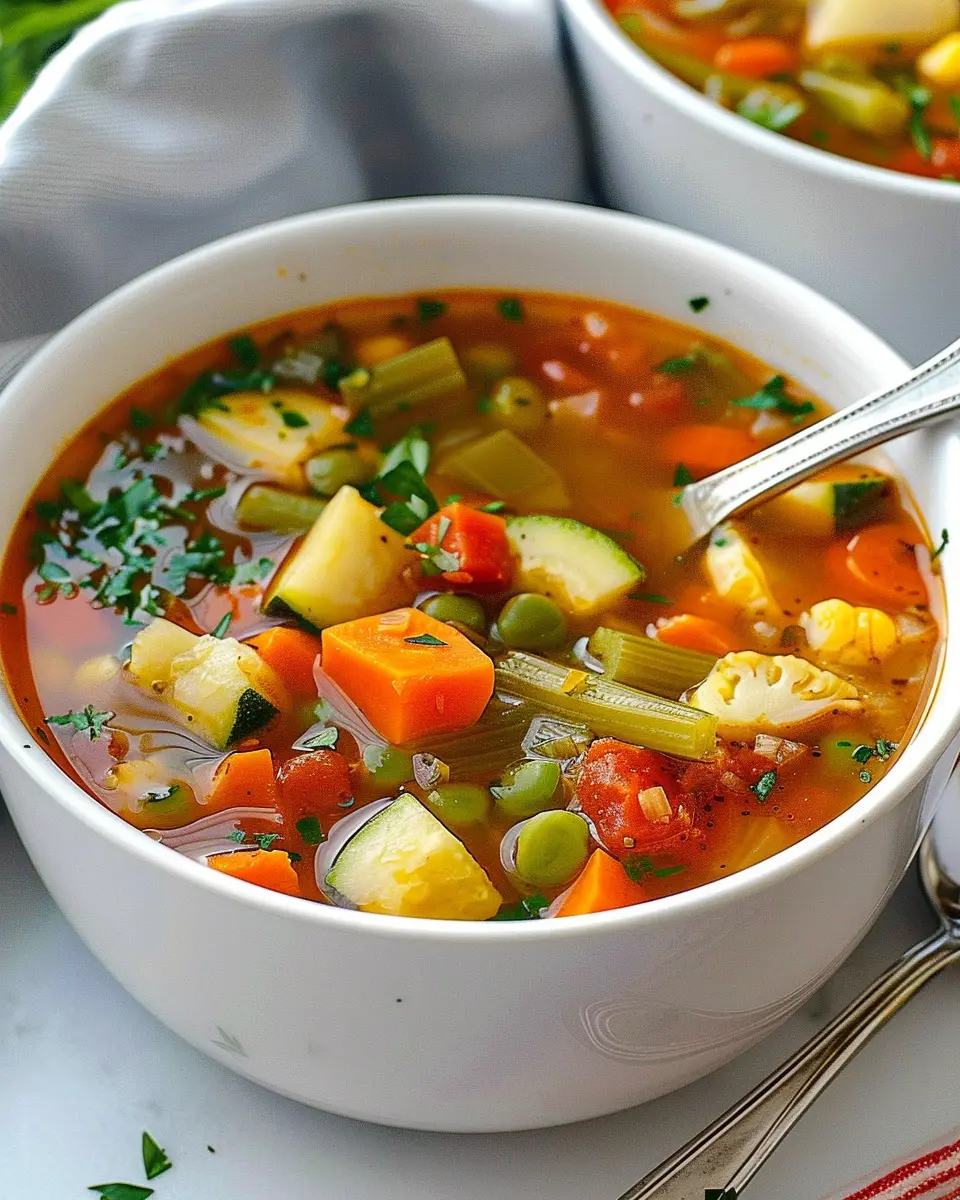
Serving Suggestions for Vegetable Soup
When it comes to enjoying a warm bowl of vegetable soup, the right serving suggestions can elevate your meal to new heights. Here are a few delightful ideas to make your soup experience unforgettable.
Perfect Pairings with Bread or Crackers
There’s something incredibly comforting about the combination of soup and bread. Try serving your vegetable soup with crusty artisan bread or whole-grain rolls for a wholesome touch. If you’re in the mood for crunch, a side of crispy whole-grain crackers can provide that satisfying texture contrast you crave. These options not only enhance your meal’s taste but also provide additional fiber and nutrients.
Adding Protein for a Complete Meal
If you’re aiming for a more filling dish, consider adding a protein element to your vegetable soup. For instance, shredded chicken ham or crispy turkey bacon can create a heartier meal that keeps you full and energized. Additionally, you could toss in some white beans or lentils, which are plant-based protein sources that blend beautifully with any soup.
Incorporating these elements into your soup not only boosts its nutritional value but also makes it a well-rounded dish. With just a few simple tweaks, your vegetable soup can easily transition from a light starter to a fulfilling main course!
For more on how to get creative with your soups, check out this article on healthy soup toppings.
Now, go on and savor that bowl of comfort!
Time Breakdown for Vegetable Soup
When you’re making vegetable soup, understanding your time commitment can really help streamline the process. Here’s a quick breakdown to keep your cooking stress-free!
Preparation Time
Getting your ingredients ready is key to a smooth cooking experience. You’ll want to allocate about 15-20 minutes for chopping your favorite veggies, measuring spices, and getting everything organized. Trust me, having everything prepped makes a world of difference!
Cooking Time
The magic happens during the cooking phase! You can expect the soup to simmer away for about 30-40 minutes. This is when the flavors really come together, and you can take a moment to relax while it cooks.
Total Time
All in all, from prep to serving, you’re looking at around 45-60 minutes to create your delicious vegetable soup. Perfect for a weeknight dinner or meal prep! For tips on maximizing flavor without draining time, check out this source that explores different cooking techniques.
So, ready to whip up a steaming pot of goodness? Let’s get cooking!
Nutritional Facts for Vegetable Soup
Calories per serving
One serving of vegetable soup typically contains around 100-150 calories. This makes it an excellent option for those watching their calorie intake while still wanting a filling meal.
Key vitamins and minerals
Vegetable soup is packed with essential nutrients. Depending on the vegetables you choose, you can benefit from:
- Vitamin A for eye health
- Vitamin C for immune support
- Folate for cell function and tissue growth
- Potassium for maintaining heart health
Including a variety of colorful vegetables not only enhances the flavor but also boosts the nutrient profile.
Dietary considerations
This vegetable soup can easily cater to various dietary needs. It’s naturally vegetarian and can be made gluten-free by using appropriate broth. If you’re looking to add some protein, consider incorporating turkey bacon or chicken ham for richness without sacrificing health benefits.
For more detailed insights, the Harvard T.H. Chan School of Public Health provides extensive resources on the health benefits of soups and vegetables. It’s a great way to deepen your understanding of how a simple bowl of soup can fit into a nutritious lifestyle.
FAQs about Vegetable Soup
How do I make vegetable soup thicker?
If you find that your vegetable soup is a bit too thin for your liking, there are several techniques you can try. One simple method is to add a starch:
- Potato: Dice a potato and cook it in the soup; it will break down and naturally thicken the broth.
- Puree: Take a portion of the soup and blend it until smooth, then stir it back in.
- Cornstarch or Flour Slurry: Mix equal parts cornstarch or flour with cold water, then stir it into the soup to thicken it.
These methods not only enhance texture but also elevate the flavor profile of the dish!
Can I add meat to my vegetable soup?
Absolutely! Adding protein can turn your vegetable soup into a heartier meal. Turkey bacon or chicken ham can lend a savory depth while keeping it healthier than traditional meats.
- Suggestions: Consider adding shredded chicken, chopped turkey bacon, or even some diced beef for an extra punch. Just make sure to cook the meat first to lock in flavors!
What’s the best way to store leftover vegetable soup?
Storing leftover vegetable soup is easy, and it actually tastes even better the next day! Here’s how:
- Cool it Down: Let your soup cool to room temperature before refrigerating to prevent foodborne illness.
- Airtight Containers: Use glass or plastic containers with lids to keep it fresh.
You can keep your soup in the fridge for about 3-5 days. If you want to save it for later, it’s freezer-friendly too! Just make sure to leave some space in the container, as liquids expand when frozen. For more tips on food storage, check out resources like the USDA Food Safety Guide.
Conclusion on Vegetable Soup
Embracing homemade goodness in your weekly routine
As you consider incorporating vegetable soup into your meal plans, remember it’s not just about nourishment; it’s about creating a comforting ritual. Homemade vegetable soup not only warms the soul but allows you to customize flavors to suit your preferences. Studies show that home-cooked meals are often healthier, enhancing both nutrition and happiness.
Make it a weekly habit, perhaps every Sunday, to whip up a fresh pot. Invite friends over to share in the experience or prep for busy workweeks ahead. By embracing homemade goodness, you’re not just feeding your body—you’re fostering skills and connections that matter. Check out The Benefits of Cooking at Home for more insights on the joys of cooking.
PrintVegetable Soup Delight: Easy Comfort in Every Spoonful

Warm up with this comforting vegetable soup that is easy to make and packed with flavor. Perfect for chilly evenings.
- Prep Time: 15 minutes
- Cook Time: 30 minutes
- Total Time: 45 minutes
- Yield: 4 servings
- Category: Soup
- Method: Stovetop
- Cuisine: American
- Diet: Vegetarian
Ingredients
- 1 tablespoon olive oil
- 1 onion, diced
- 2 carrots, sliced
- 2 celery stalks, sliced
- 3 garlic cloves, minced
- 4 cups vegetable broth
- 1 can diced tomatoes
- 1 teaspoon dried basil
- 1 teaspoon dried oregano
- 2 cups mixed vegetables (e.g. green beans, peas)
- Salt and pepper to taste
Instructions
- Heat olive oil in a large pot over medium heat.
- Add onion, carrots, and celery, sauté until soft.
- Stir in garlic and cook until fragrant.
- Add vegetable broth, diced tomatoes, basil, and oregano; bring to a simmer.
- Mix in mixed vegetables and cook until heated through.
- Season with salt and pepper to taste before serving.
Notes
- This soup is versatile; feel free to add your favorite vegetables.
- For added protein, include some beans or lentils.
Nutrition
- Serving Size: 1 cup
- Calories: 150
- Sugar: 5g
- Sodium: 250mg
- Fat: 7g
- Saturated Fat: 1g
- Unsaturated Fat: 5g
- Trans Fat: 0g
- Carbohydrates: 20g
- Fiber: 5g
- Protein: 4g
- Cholesterol: 0mg