




Introduction to Healthy Sautéed Vegetables
Why choose sautéed vegetables for your meals?
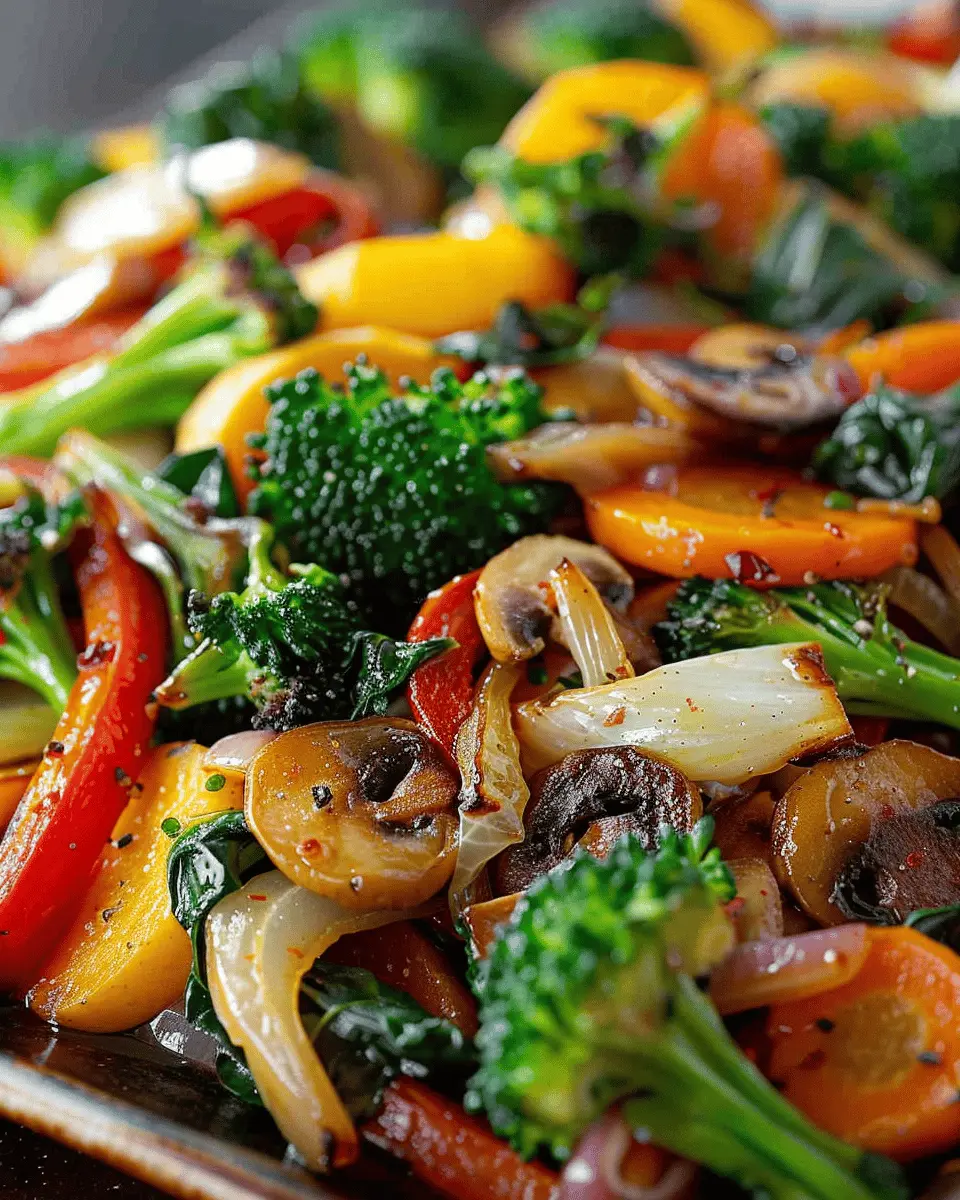
Sautéing vegetables is a quick and effective way to bring out their natural flavors while retaining nutrients. Using high heat and a small amount of healthy oil, you can create delicious and visually appealing meals in just minutes. Sautéed vegetables are versatile and can easily complement any dish, whether you’re tossing them into pasta, adding them to a grain bowl, or enjoying them on their own.
Another great advantage of sautéing is its simplicity. No need for elaborate techniques—just chop, heat up your pan, and go. Who doesn’t want a meal that fits into a busy schedule without compromising on taste or nutrition? For a burst of flavor, try incorporating herb-infused olive oil or adding a splash of vegetable broth.
The benefits of incorporating more veggies into your diet
Eating more vegetables is a fantastic way to boost your health. According to the Centers for Disease Control and Prevention (CDC), only about 1 in 10 adults get the recommended daily amount of vegetables. By including more veggies like bell peppers, broccoli, and zucchini in your meals, you’re not just adding color—you’re enriching your diet with essential vitamins, minerals, and antioxidants.
- Nutrient Density: Vegetables are packed with nutrients while being low in calories. For instance, kale and spinach are excellent sources of calcium and iron.
- Weight Management: Sautéed vegetables can make you feel fuller with fewer calories, making them perfect for those looking to maintain or lose weight.
- Heart Health: Many vegetables have been linked to lower blood pressure and improved heart health due to their high vitamin K and fiber content.
Moreover, sautéed vegetables can be a strategic way to incorporate a variety of flavors and textures into your diet without feeling deprived. You might discover new favorites or be reminded of old ones! Ever tried a mix of cauliflower and carrots tossed in sesame oil? It’s a game-changer!
Transitioning to a vegetable-rich diet can be a delightful adventure. You get to experiment with different cooking times, oils, and even spices you might have on hand. Why not start your journey with a plate of Healthy Sautéed Vegetables? Check out this nutrition guide for more tips on balancing your meals with veggies!
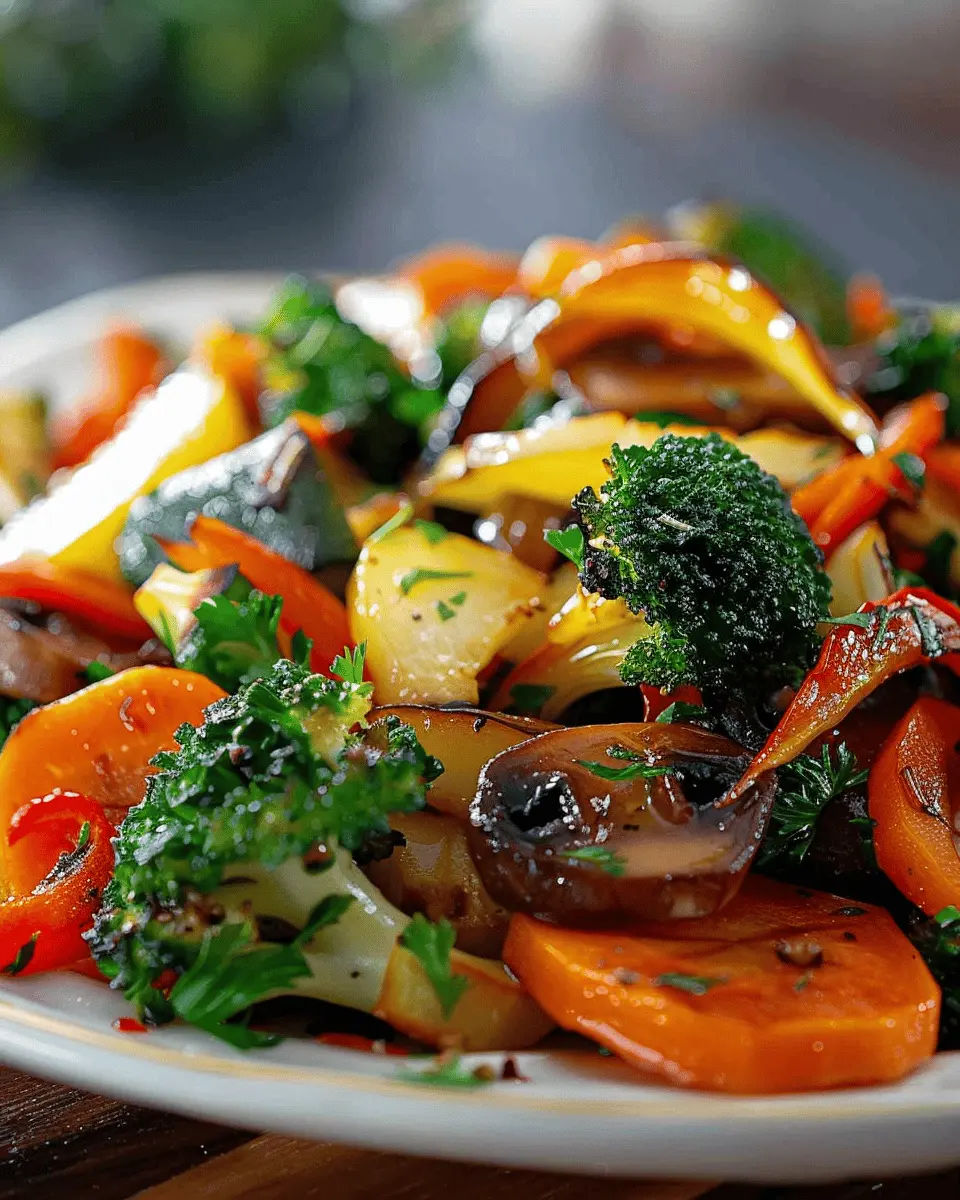
Ingredients for Healthy Sautéed Vegetables
Essential ingredients for a colorful dish
Creating healthy sautéed vegetables is all about choosing the right ingredients. A vibrant mix not only appeals to the eye but also maximizes nutrition. Start with:
- Bell Peppers: Their sweetness adds a delightful crunch.
- Broccoli and Cauliflower: Both pack a nutrient punch!
- Carrots: Slice them thinly for the best texture and flavor.
- Zucchini and Squash: These add a lovely softness as they cook down.
- Spinach: Toss it in at the end for a boost of vitamins.
Want to learn more about the nutritional benefits of these veggies? Check out this insightful resource.
Optional flavor enhancers
While the base veggies are superb on their own, don’t shy away from some optional flavor enhancers:
- Garlic: Freshly minced garlic? Yes, please!
- Ginger: A touch of this spice gives warmth and depth.
- Soy Sauce: Opt for a low-sodium version for added umami without the extra salt.
- Sesame Oil: Just a drizzle at the end takes your dish to a whole new level.
Remember, the beauty of sautéed vegetables is in experimentation. So, what combination catches your eye today?
Preparing Healthy Sautéed Vegetables
Sautéing vegetables is a fantastic way to bring out their natural flavors while keeping them crisp and nutritious. Whether you’re throwing together a quick dinner or enhancing a meal prep dish, healthy sautéed vegetables can elevate your culinary game. Let’s walk through some simple, yet essential steps to achieve perfectly sautéed veggies that steal the spotlight.
Gather your fresh veggies
First things first: you need to gather your fresh vegetables! Choose a colorful variety to maximize nutrients and create an eye-catching dish. Ideal choices include:
- Bell peppers (red, yellow, and green)
- Broccoli florets
- Carrots (sliced or julienned)
- Zucchini or yellow squash
- Spinach or kale
These vegetables are not only delicious but packed with vitamins and minerals. Seasonal produce is often the freshest, so consider stopping by your local farmers’ market or exploring the produce section in your grocery store.
Chop and prepare your ingredients
Now that you’ve collected your fresh veggies, it’s time to chop and prep them. Uniformity in size is key to ensure even cooking. For example, slice the carrots thinly for quick cooking but keep the broccoli florets bite-sized. Don’t forget to rinse your veggies under cold water to remove any dirt or pesticides.
This preparation stage is also an excellent opportunity to prep your aromatics like garlic and onion, which we’ll use for flavor.
Heat the skillet for perfect sautéing
The next step is to heat your skillet. A heavy-bottomed pan (like cast iron or stainless steel) works wonders for sautéing. Add a splash of olive oil or avocado oil and heat it over medium-high. You want to see just a shimmer on the surface, indicating it’s hot enough to cook your veggies without them sticking. A correctly heated skillet is crucial—if it’s not hot enough, your veggies will become soggy instead of beautifully caramelized.
Cooking aromatics to build flavor
Once the skillet is hot, add your aromatics. Think garlic and onion sautéed until they’re fragrant and just turning golden. This step is essential as it builds an incredible flavor base. Aromatics are the unsung heroes of many recipes, with studies showing that ingredients like garlic can not only enhance taste but also carry health benefits, including anti-inflammatory properties.
Adding harder vegetables for texture
Next up, it’s time to add your harder vegetables. Carrots and broccoli are perfect candidates. They usually require more cooking time to soften. Sauté them for about 3-4 minutes until they start to gain some color. This process locks in their natural sweetness and creates a delightful texture that contrasts beautifully with softer varieties.
Tossing in the softer veggies for the final cooks
Once the harder vegetables have softened, it’s time to toss in the softer veggies like zucchini and spinach. These will take less time to cook—just 2-3 minutes is all you need for them to wilt and become tender without losing their vibrant color. Keep stirring to ensure everything is evenly coated and cooked — this step is where the magic happens!
Seasoning and finishing touches
Now for the fun part: seasoning! A pinch of salt and pepper can do wonders, but don’t hesitate to elevate flavors with herbs and spices. Consider using Italian seasoning, chili flakes, or a sprinkle of lemon juice for brightness. Fresh herbs like parsley or basil can also be an exciting finishing touch that adds freshness to your dish.
Serve and enjoy!
Finally, serve your healthy sautéed vegetables alongside your favorite proteins or as a standalone dish. They make a wonderful addition to quinoa, brown rice, or even tossed with some Turkey Bacon or Chicken Ham. Not only do they add nutrition and color, but they also make for an inviting plate that will impress anyone at the table.
And there you have it—a simple guide to preparing delicious and healthy sautéed vegetables. So why not give it a try? Your taste buds and body will thank you! For some extra inspiration, check out more insightful tips on healthy eating at reputable cooking websites like EatingWell or The Kitchn. Enjoy your cooking adventure!
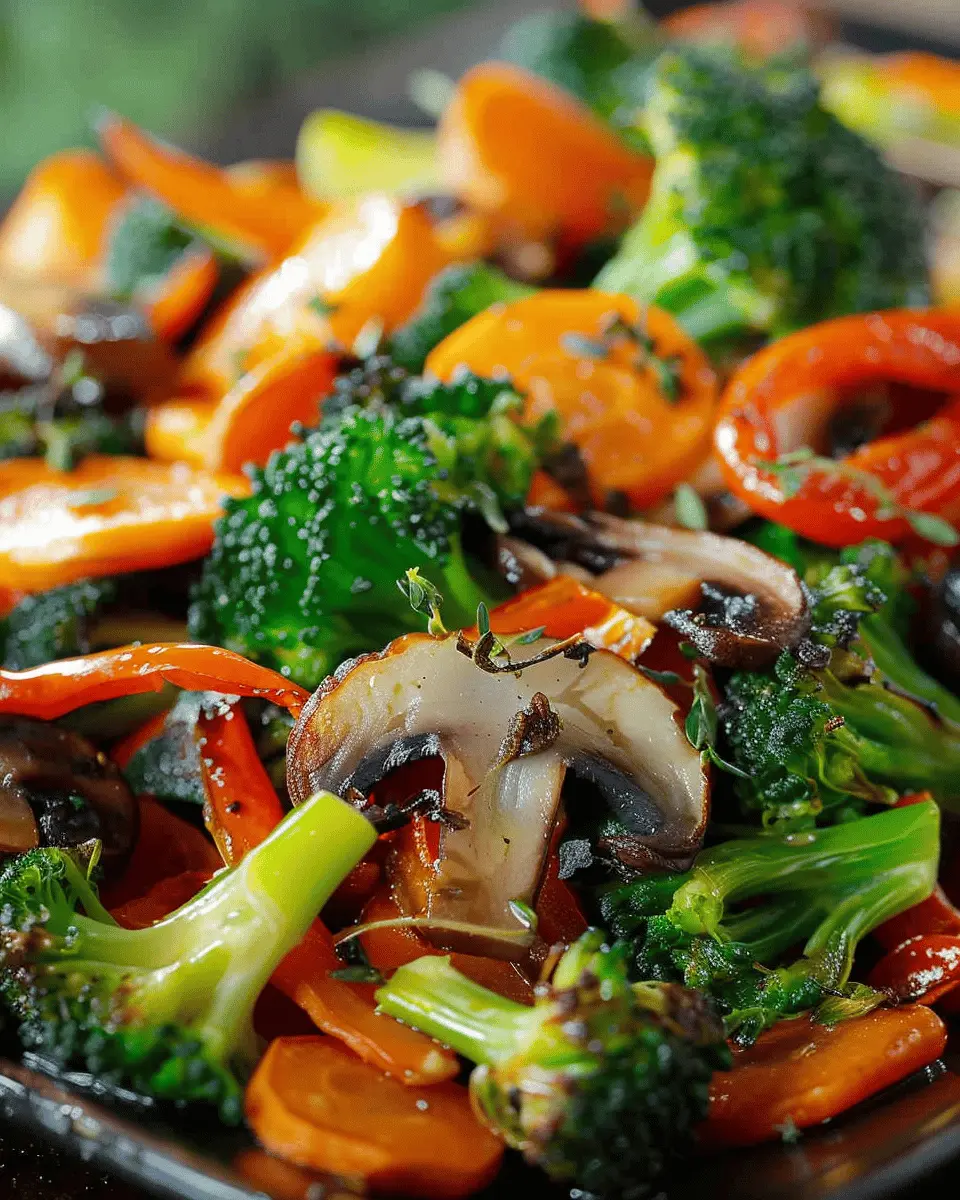
Variations on Healthy Sautéed Vegetables
Seasonal Vegetable Creations
One of the best aspects of healthy sautéed vegetables is their adaptability with the seasons. During spring, think zucchini, asparagus, and fresh peas. Summer’s bounty offers bell peppers, corn, and eggplant. In the crisp fall months, embrace the warmth of butternut squash and Brussels sprouts. Lastly, winter brings sturdy vegetables like kale and sweet potatoes. You can find more inspiration on what to cook with seasonal produce over at Seasonal Eating.
Elevate with Protein for a Complete Meal
If you’re looking to turn your sautéed veggie side dish into a satisfying main course, consider adding some protein. Cooked beans, chickpeas, or lentils provide a hearty base and are excellent plant-based options. If meat is more your style, shredded Turkey Bacon or grilled Chicken Ham can elevate those veggies into a fulfilling dish that’ll leave you feeling great. And for seafood lovers, shrimp or salmon can work wonders along with your healthy sautéed vegetables.
Flavor Variations: Herbs and Spices to Try
The right herbs and spices can transform your healthy sautéed vegetables into a delightful culinary experience. Experiment with:
- Garlic and thyme for a classic pairing.
- Cilantro and lime for a zesty twist.
- Cumin and chili powder for a touch of warmth.
Don’t hesitate to play with fresh herbs like basil or dill, or consider aromatic spices like smoked paprika. A dash of lemon juice at the end can also brighten up the flavor. If you’re feeling adventurous, check out resources on Flavor Pairing for more ideas that can complement your dishes uniquely.
Incorporate these variations into your routine, and you’ll never find yourself bored with your healthy sautéed vegetables again!
Cooking Tips and Notes for Healthy Sautéed Vegetables
Tips for Perfect Sautéing
Ready to whip up some healthy sautéed vegetables? Here are a few tips to achieve that perfect crunch and vibrant color! First, ensure your pan is preheated; a hot skillet helps veggies cook evenly and prevents steaming. Use a high-quality oil, like olive or avocado oil, for that extra flavor boost and healthy fats. Don’t overcrowd the pan; it leads to soggy veggies. Instead, cook in batches if you have a lot to sauté. Experiment with seasonings like garlic or ginger; they elevate the dish without added calories.
Make-Ahead Prep and Storage Suggestions
Want to save time during the week? Pre-chop your favorite vegetables and store them in airtight containers. They’ll stay fresh for three to five days! When ready to cook, you can have a delicious meal in minutes. If you happen to have leftovers of your healthy sautéed vegetables, consider storing them in the fridge for quick salads or wraps. Just be sure to reheat them gently to retain texture. For more on meal prepping, check out this handy guide.
These tips will help you enjoy wholesome, quick meals without compromising on flavor!
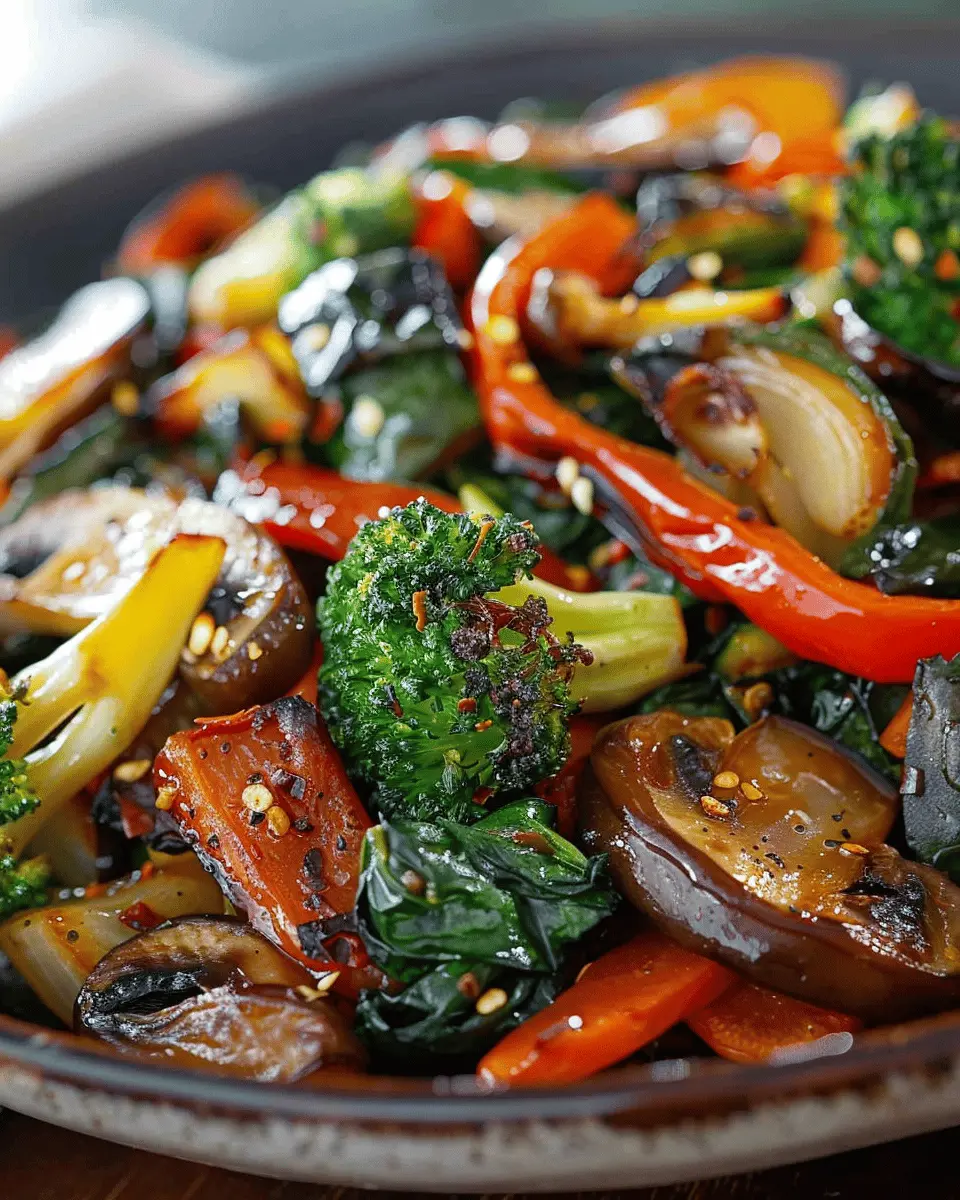
Serving Suggestions for Healthy Sautéed Vegetables
Pairing with Proteins or Grains
To elevate your Healthy Sautéed Vegetables, consider pairing them with proteins or grains for a satisfying, balanced meal. Chicken breast or grilled tofu are excellent choices that complement the vibrant flavors of your veggies. For a heartier option, serve them alongside quinoa or brown rice, which not only adds texture but also boosts the nutritional value. If you’re looking for something a bit different, try adding slices of Turkey Bacon or Chicken Ham for a delightful twist.
Ideas for Using Leftovers
Leftover Healthy Sautéed Vegetables can shine in various dishes throughout the week! Toss them into an omelet or mixed into a grain bowl for lunch the next day. They also make a great addition to wraps or sandwiches, bringing a splash of color and nutrients. Feeling adventurous? Blend them into a creamy soup with vegetable broth and a splash of lemon juice—a perfect way to make the most out of your meals and minimize food waste.
For more tips on meal planning and reducing leftovers, check out this insightful guide on nutrition from the Academy of Nutrition and Dietetics!
Time Breakdown for Healthy Sautéed Vegetables
Preparation Time
Getting started with your Healthy Sautéed Vegetables is a breeze! You’ll want to set aside about 10 minutes to wash, chop, and prepare your veggies. This is the fun part—experiment with your favorite vegetables like bell peppers, zucchini, or broccoli. Fresh ingredients make a world of difference, so take a moment to select the finest produce.
Cooking Time
Once your veggies are prepped, it’s time to sauté! The cooking process takes roughly 10-15 minutes. You’ll want to keep an eye on them to achieve that perfect tender-crisp texture. Make sure to stir regularly for even cooking—this is where the magic happens!
Total Time
All in all, from prep to plate, you’re looking at about 20-25 minutes for your Healthy Sautéed Vegetables. Perfect for those busy weeknights when you need something quick but nutritious. Looking for more cooking tips? Check out this article for some great techniques on sautéing!
Nutritional Facts for Healthy Sautéed Vegetables
Caloric Content
A serving of healthy sautéed vegetables typically contains around 100-120 calories, depending on the types of veggies used and how they’re prepared. This makes them an excellent choice for a low-calorie dish that doesn’t skimp on flavor.
Key Vitamins and Minerals
Sautéed vegetables are packed with essential nutrients. Common ingredients like bell peppers, broccoli, and carrots deliver a rich supply of vitamins A, C, K, and various B vitamins. You’ll also benefit from minerals such as potassium, which supports heart health. For a deeper dive into the nutritional value of fresh veggies, you might explore resources like the USDA FoodData Central.
Health Benefits Overview
Incorporating healthy sautéed vegetables into your meals promotes digestive health and can reduce the risk of chronic illnesses. Their high fiber content keeps you feeling full, while a variety of phytochemicals offer antioxidant benefits. Plus, sautéing at high heat helps retain more nutrients compared to boiling, making your vibrant vegetable medley both delicious and nutritious!
FAQ about Healthy Sautéed Vegetables
What vegetables work best for sautéing?
When it comes to creating healthy sautéed vegetables, you’ll want to choose options that cook well and offer nutrition without losing their color and texture. Some favorites include:
- Bell peppers: They have a sweet crunch that adds vibrant color.
- Broccoli: Packed with nutrients, broccoli can maintain a great crunch if cooked briefly.
- Carrots: These add a subtle sweetness and a nice bite.
- Zucchini: Quick-cooking and versatile, zucchini is a must-try.
- Green beans: They add snap and are rich in vitamins.
For more guidance on selecting vegetables, the USDA provides useful information.
Can I use frozen vegetables?
Absolutely! While fresh is often heralded as the best, using frozen vegetables can be a convenient alternative. They are typically flash-frozen at their peak ripeness, preserving their nutrients. Just make sure to thaw and drain excess moisture before sautéing to avoid a soggy texture.
How do I keep my sautéed vegetables crunchy?
If you’re aiming for that satisfying crunch in your healthy sautéed vegetables, consider these tips:
- High heat is key: A hot pan sears the veggies quickly.
- Don’t overcrowd the pan: Give them space to breathe and steam off excess moisture.
- Quick cooking: Aim for 5-7 minutes; you want them tender, not mushy.
Experimenting with these practices can lead to perfect results every time. For more tips, you might enjoy checking out resources from Healthline about cooking techniques! Happy sautéing!
Conclusion on Healthy Sautéed Vegetables
Recap of benefits and ease
Incorporating Healthy Sautéed Vegetables into your meals not only enhances flavor but also boosts nutritional value. These colorful veggies are packed with vitamins and antioxidants, making them a fantastic choice for a quick, healthy meal. The beauty of sautéing lies in its simplicity—just toss your favorite vegetables into a pan, season to taste, and in minutes, you have a delicious side.
Encouragement to try your own variations
Don’t hesitate to experiment with different combinations and seasonings. You might find that a sprinkle of herbs or a splash of citrus transforms your sautéed creations. Try adding Turkey Bacon for a protein boost or swap in unique vegetables like rainbow chard or heirloom tomatoes. The options are endless! Dive into your kitchen and start exploring—you’ll be amazed at what you can create. For more inspiration, check out resources from Healthline or EatingWell. Happy cooking!
PrintHealthy Sautéed Vegetables That Transform Your Meals Today
Discover how to create delicious and nutritious sautéed vegetables that elevate your meals. This guide provides easy-to-follow instructions and tips for maximizing flavor while keeping it healthy.
- Prep Time: 10 minutes
- Cook Time: 10 minutes
- Total Time: 20 minutes
- Yield: 4 servings
- Category: Side Dish
- Method: Sautéing
- Cuisine: Mediterranean
- Diet: Vegetarian
Ingredients
- 2 cups broccoli florets
- 1 bell pepper sliced
- 1 medium zucchini, sliced
- 1 cup cherry tomatoes
- 2 tablespoons olive oil
- 1 teaspoon garlic, minced
- Salt and pepper to taste
Instructions
- Heat the olive oil in a large skillet over medium heat.
- Add the minced garlic and sauté for 30 seconds until fragrant.
- Add the broccoli and bell pepper; cook for about 5 minutes.
- Stir in the zucchini and cherry tomatoes; cook until all vegetables are tender, about another 5 minutes.
- Season with salt and pepper to taste before serving.
Notes
- Feel free to mix and match vegetables based on your preference.
- Serve immediately for best flavor.
Nutrition
- Serving Size: 1 cup
- Calories: 150
- Sugar: 3g
- Sodium: 150mg
- Fat: 10g
- Saturated Fat: 1g
- Unsaturated Fat: 9g
- Trans Fat: 0g
- Carbohydrates: 12g
- Fiber: 4g
- Protein: 3g
- Cholesterol: 0mg